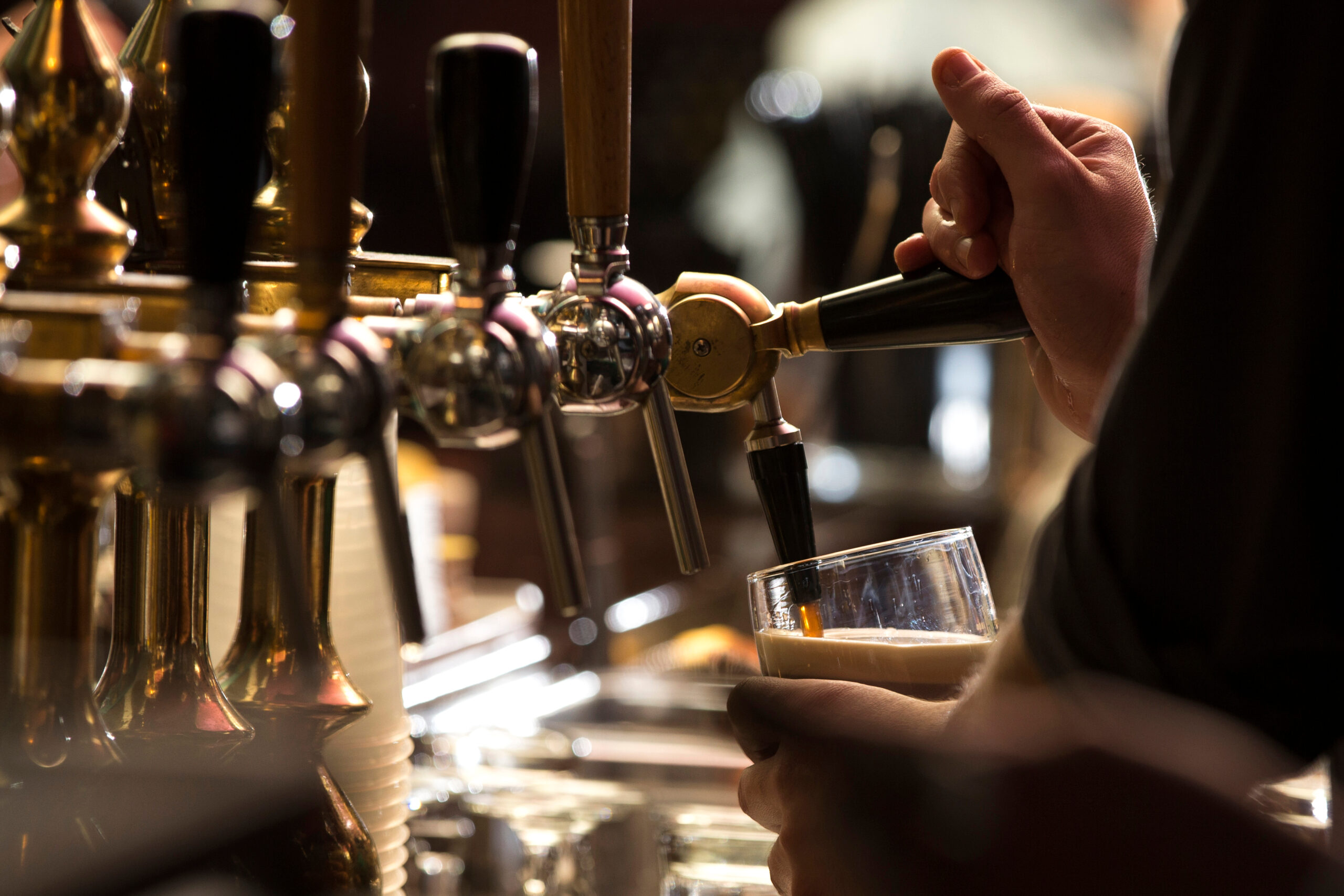
With another Government U-turn potentially on the cards in respect of business rates, alongside possible changes to the licensing system, pubs may finally be raising a glass or two. The Government’s efforts to address perceived “unfairness” in business rates as part of the November 2025 Budget fell flat for many businesses. While reductions in multipliers were announced, there remains widespread concern that any benefit will be more than offset by increases in rateable values following the 2026 revaluation exercise, effective from 1 April 2026. For some properties, particularly those last assessed during the pandemic, rateable values are expected to increase materially.
To recap, the Budget confirmed a number of changes to the current rates regime, including an increase in the number of multipliers from two to five. By way of background, the business rates “multiplier” is effectively the tax rate applied to a property’s rateable value to calculate the annual rates bill. By way of illustration, the standard retail, hospitality and leisure rates multiplier will be 43p for every £1 of rateable value (for properties with a rateable value between £51,000 and £499,999). Even relatively small changes to the multiplier can therefore have a significant impact on costs.
The stated intention is to provide additional support for retail, hospitality and leisure businesses, many of which are being gradually withdrawn from Covid-era support measures. The Government also confirmed the continuation of temporary and permanent reliefs, including the Transitional Relief Scheme and the Supporting Small Business Scheme. These are designed to cap annual increases in rates bills by a fixed amount over a three-year period, effectively phasing in higher payments over time rather than applying them immediately.
Despite proposals for permanently lower tax rates for eligible retail, hospitality and leisure businesses, many operators believe the measures do not go far enough. These sectors continue to face significant cost pressures, driven in part by wider fiscal policy decisions such as increases in the National Minimum Wage and National Insurance contributions, alongside continuing higher energy and borrowing costs.
The strain on the sector is reflected in insolvency statistics. Data from the UK Insolvency Service shows that wholesale, retail and hospitality businesses continue to account for a disproportionately high share of company insolvencies, at levels not seen since the 2008–2009 financial crisis. In the 12 months to November 2025, 7,191 of these businesses entered insolvency, accounting for around 30% of all company insolvencies over that period. Recent high-profile failures have included Bodycare, Claire’s Accessories and Pizza Hut.
There is a growing expectation that pressure on pubs and hospitality businesses will intensify further during 2026. Against this backdrop, many operators are beginning to reassess their strategies, cost bases and funding structures, and in some cases are considering
reorganisation or restructuring options at an earlier stage in order to avoid more acute difficulties later.
While not yet confirmed at the time of writing, the Government’s anticipated offer of additional relief for pubs from the full impact of business rate changes could provide a much-needed lifeline for parts of the sector. It also raises the question of whether similar concessions may eventually be extended to support high streets more broadly.
From our experience at KR8 Advisory, periods of policy uncertainty such as this often create challenges beyond the headline tax changes themselves. Unclear future liabilities can complicate cash flow forecasting, delay investment decisions and make discussions with landlords, lenders and HMRC more difficult. For pub operators and retail and hospitality businesses more generally, taking early advice to understand the potential impact of these changes, and to explore options to reduce costs, improve resilience and engage constructively with stakeholders, can make a material difference in navigating what is likely to remain a challenging trading environment.