
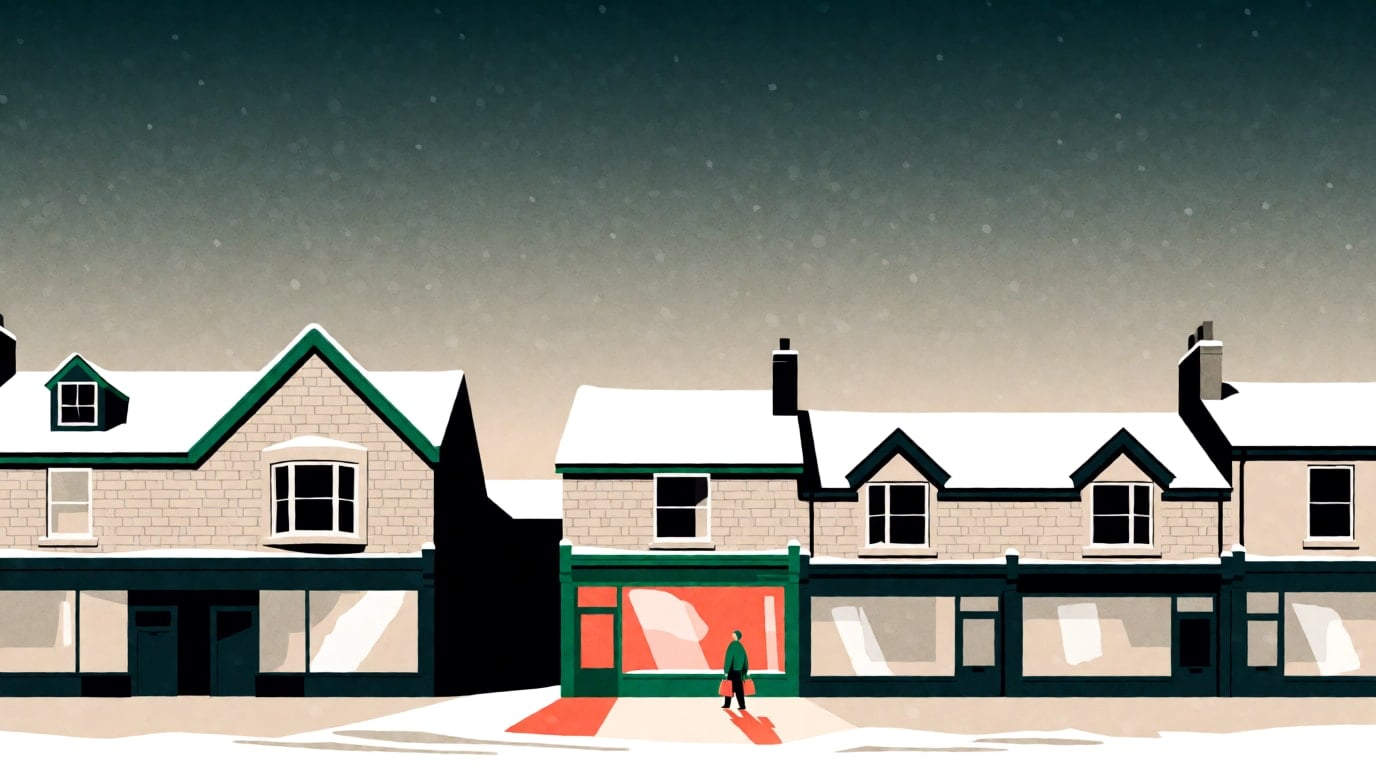
How much breathing room could a good Christmas give retailers in January?
Gloria puts cash in her grandchildren’s cards, Kevin follows a trail of paw prints, the BFG gets an unexpected delivery and Santa goes undercover. This year’s Christmas adverts arrive as retailers are weighing up what a stronger festive period might mean for their businesses. The four campaigns are a starting point for conversations advisers can have with retail clients while there’s still time to act.
Whilst all signs point towards a better festive period for retailers than the previous year, January will be the true measure.
Four ads, four boardroom problems

John Lewis, Gloria and Pickles
You can’t always get what you want
John Lewis’s Christmas advert, set to Sam Fender’s cover of the Rolling Stones’ You Can’t Always Get What You Want, Gloria puts cash in her grandchildren’s cards because she’s unsure what they’d actually enjoy. John Lewis makes the case for finding the right gift, and a well-chosen range gives shoppers a reason to come to its stores to look for it.
Trade credit insurer Tokio Marine HCC’s central forecast is for retailers to sell slightly more goods in the final three months of the year, helped by improving consumer confidence and households saving a smaller share of their income. The report expects promotions to drive much of that growth, with gains concentrated in food, computing and value retail, while sales at non-food stores are expected to be flat or fall. For those stores, the question is how much extra trade a promotion needs to bring in to pay for the discount.
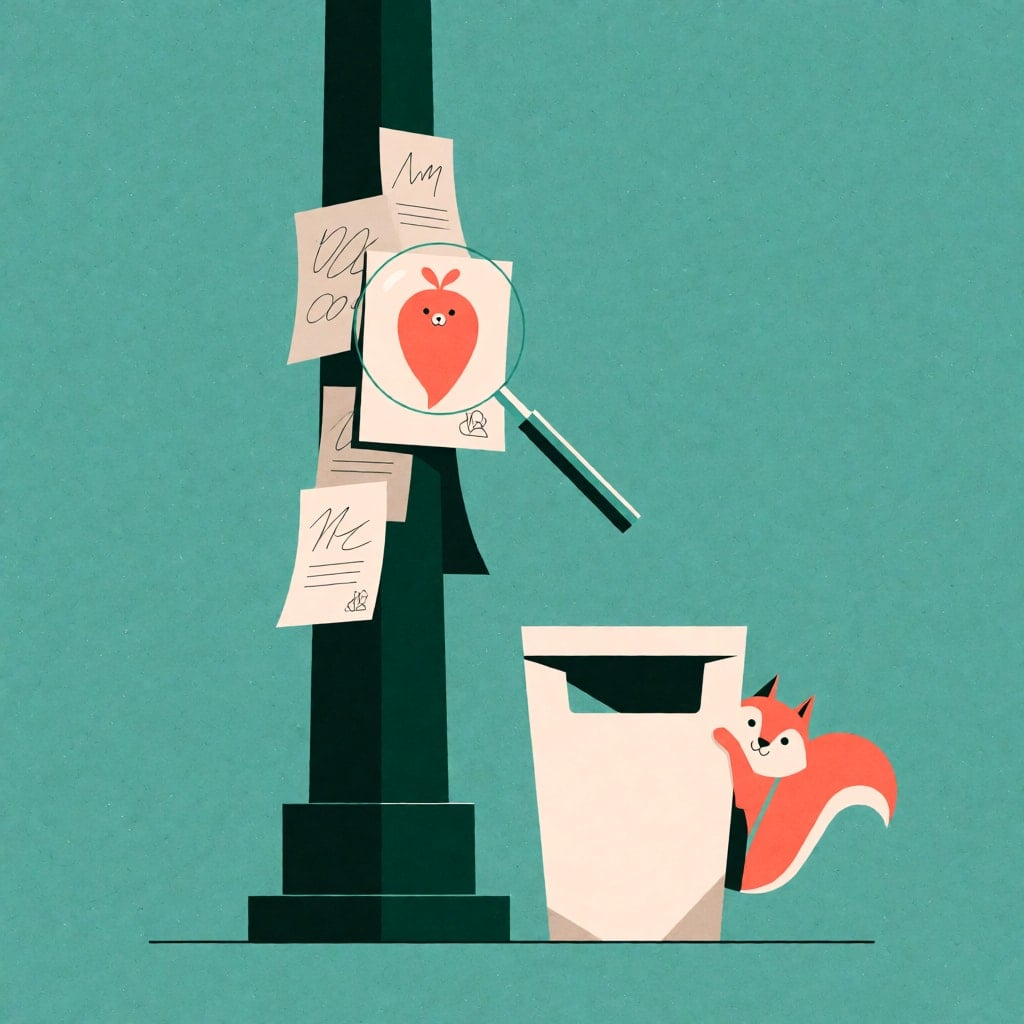
Aldi, Kevin the Carrot
The missing Cauli Dog
In Aldi’s Christmas advert, a scarecrow sends Kevin and his daughter Chantenay off course as they look for Cauli Dog. The paw prints eventually lead them back home, where they find him asleep inside a Christmas cracker. Retailers looking for lost margin have a trail of their own to follow, starting with how much of the decline comes from higher wages, employer National Insurance, freight and business rates, and which stores or product lines are hardest hit.
The British Retail Consortium estimates that increases in employer National Insurance and the National Living Wage alone add around £6.5bn to costs across the sector. Even within the same business, one shop might stay comfortably profitable despite a higher wage bill, while a less busy branch already struggling to cover its rent could start making a loss. Tracing the drop in margin back to individual stores or product lines can help boards decide where to act first.

Sainsbury’s, The BFG
The BFG is ill and fears he’ll miss Christmas
When the BFG comes down with flu and decides to skip Christmas, his friend Annie turns up with a van full of festive food. For retailers heading into Christmas under pressure, getting help early can make a difference to the options they have in January.
KPMG’s research points to shoppers buying at both the cheaper and more expensive ends of the market, squeezing mid-market retailers, particularly non-food businesses already carrying significant debt. There were 1,763 retail insolvencies in the 12 months to July 2026, down 7.3% on the previous year but still around 35% above the 2019 level. As more large retailers get into difficulty, a single failure can leave suppliers with substantial unpaid bills. If they were counting on that money to pay their own suppliers, the cash flow strain can spread further down the supply chain.
Retailers already feeling the strain should use the coming weeks to speak to lenders, landlords and suppliers. It’s easier to discuss what support might be available when there’s time to explain what’s happening, share the cash flow forecast and work through the options together.
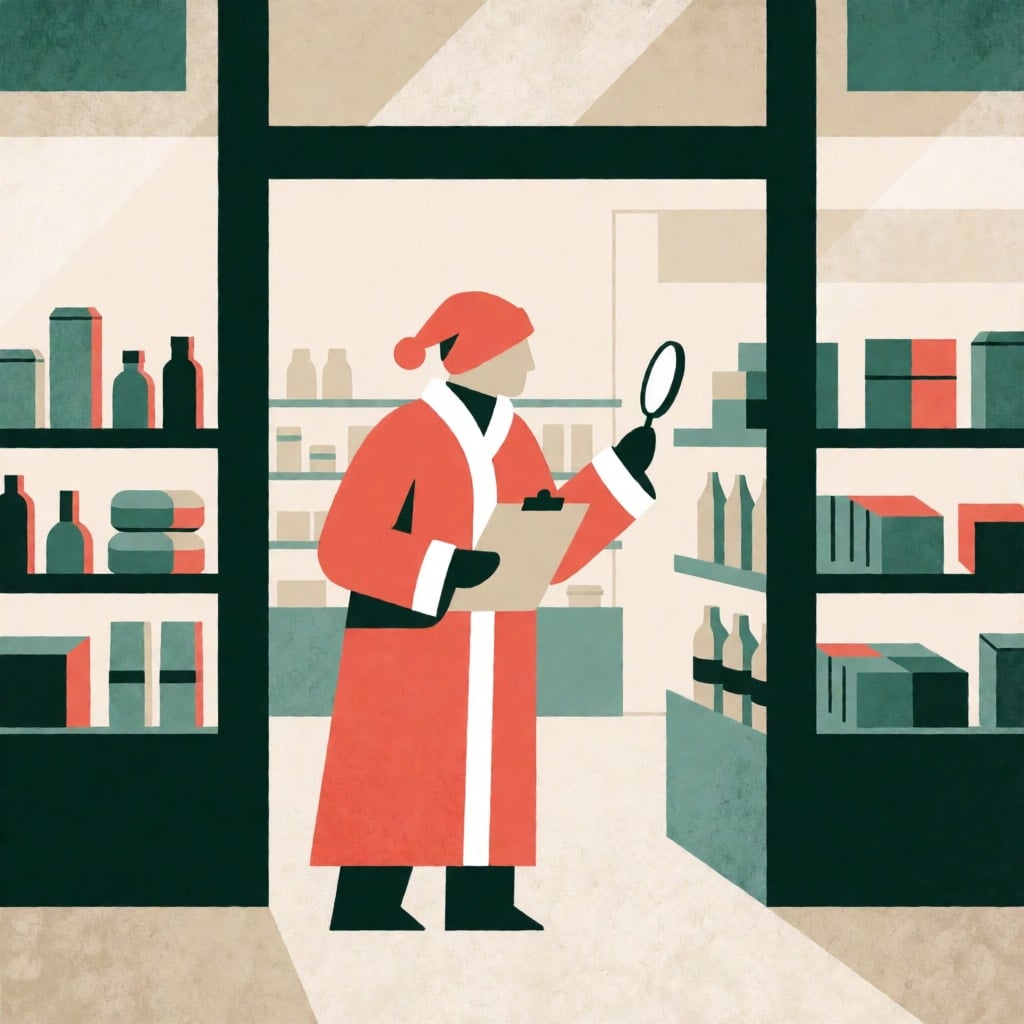
M&S, The Home of Christmas
Santa goes undercover
M&S’s Christmas campaign brings Food, Fashion, Home and Beauty together for the first time since 2017. In the advert, Mrs Claus encourages Santa to swap his red suit for a jumper so he can join other people’s celebrations without being recognised.
Boards and advisers could use the run-up to Christmas to take a fresh look at the business as a lender or landlord would, and ask what the management figures tell them from that perspective. Which stores bring in enough cash to cover their costs, and how much headroom would the business have on its lending covenants if January sales fell short?
Looking at the forecast from the outside can bring some of its assumptions into question. If the business is counting on selling leftover Christmas stock in January, for instance, what would deeper markdowns do to the cash it expects to bring in? Working through that now gives the board time to adjust its plans if January looks tighter than expected.
What should retailers be discussing with advisers before January?
The run-up to Christmas gives advisers a chance to work through a few practical questions with retail clients while there’s still time to adjust their plans.
- Review stock bought at high freight rates and assess the likely impact on margins.
- Run a 13-week cash flow forecast and test what happens if January sales fall short.
- Check covenant headroom and agree when to speak to lenders and what to raise with them.
- Identify which leases need reviewing and where an early conversation with the landlord could help.
- Check what the business rates freeze means for the retailer’s bills. The BRC warns that bills could still rise by 3.5%.
The Christmas ads will be off air long before the last of the festive stock is sold or the bills are paid. Talking through those numbers now gives retailers more choices about how they start the new year.